This term is technology class we were learning about blogging. Bogging is a tool used to post logs on the web. It is a sort of electronic diary or journal that you want to present to the public. The name comes from 1999 when Peter Merholtz shortened the term web-log to blog. A person who blogs is called a blogger and the world of blogging and the community of bloggers are called blogosphere. There are other services for blogging apart from Blogger like MySpace, LiveJournal or Wordpress. To be able to do a blog your computer must have some HTML knowledge.
To edit blogs you must first sign in to your account and go to the dashboard. Then, you must select the blog you want to edit. You can create a new post or by clicking on "posts", select a previous post to continue.
In a blog, you can post images, videos and links. To do so, you must select the different icons and follow the instructions given.
Here is an example of how to insert a link:
To go to my Carrie Underwood page, I will name the link Carrie Underwood and the URL will be the one on the page.:
Carrie Underwood
Unfortunately there is not an option to insert audio in a blog. But you can do this from Dropbox, putting the MP3 document in the Public Folder and then insert the link into the blog.
Thursday, January 31, 2013

Desktop Publishing
-The definition of Desktop Publishing is the process of using a computer to display certain information whether it is in text, image, chart or graphic format. Usually it is a combination of these displayed with the help of a specific type of software. It is supposed to be an easy way for anyone to visually communicate something.
-DTP (Desktop Publishing) can be used for various things. One of them is Graphic Design, which is what numerous newspapers and magazines use it for. Another is for helping people find a job. You can set up a creative and attractive portfolio with a desktop publishing program. It is also used in education where teachers can either display information on a spread so students can visually learn the material which is easier for many, or have students present projects in a creative manner using a DTP application. Another use is to sell and make your business public with advertisements and cards put also to publish important documents within the business. Finally, DTP can be used for having fun, displaying personal interests creatively.
-The main elements that make desktop publishing unique are the fonts, image boxes and columns. These tools make it easier for people to display information in a way that looks formal, presentable and professional. A font is a set of characters with it's own style. An image box is an area where you can insert, edit, and cut an image. Columns can flow into and out of each other and it gives text a good look.
-Some programs for DTP are Adome FrameMaker, Adobe InDesign, Corel Ventura, Fatpaint (talked about in class), iStudio Publisher, Microsoft Office Publisher, Pages, Scribus and QuarkXPress and many more. for image processing are Photoshop, Gimp, Delphinus, iMerge etc.
-A spread is two pages facing each other in a layout set for printing. It contains multiple columns, articles and images.
-When you come down to printing your project, it is recommended to save it as a PDF and then print it.


Saturday, November 17, 2012
Dropbox links
Audio File: (Viva La Vida -- Coldplay)
https://www.dropbox.com/s/u9c6qx8t8hrjkau/07%20Viva%20La%20Vida.m4a
Powerpoint: (Red -- Taylor Swift)
https://www.dropbox.com/s/c12oiin2ggwvsrx/REd.pptx
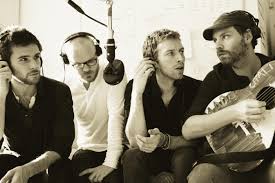
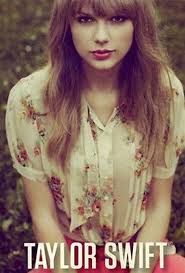
https://www.dropbox.com/s/u9c6qx8t8hrjkau/07%20Viva%20La%20Vida.m4a
Powerpoint: (Red -- Taylor Swift)
https://www.dropbox.com/s/c12oiin2ggwvsrx/REd.pptx
Wednesday, November 14, 2012
Taylor Swift's New CD (Powerpoint)
Taylor Swift recently released her new album, RED. Here is some information about it.


Tuesday, October 16, 2012
Monday, October 1, 2012
How to use the tools in blogger.
Ever asked yourself what the tools in blogger can be used for?

2)Redo => if you have clicked Undo and change your mind about the image or text you deleted, click Redo and it will reappear.
3)Font => this changes what your text looks like. The options are Arial, Courier, Georgia, Helvetica, Times, Trebuchet, and Verdanda
4)Font Size => You can choose between Smallest, Small, Normal, Large and Largest
5)Format => you can choose if you write your text as a heading, subheading, minor heading or normal text.
6)Bold => this makes the letters bold
7)Italic => this makes your text be written in Italics
8)Underline => underlines the text
9)Strikethrough =>it crosses out the text
10)Text color => changes the color of the text
11)Text backgroung color => highlights the text
12)Add or remove link
13)Insert Image
14)Insert a video
15)Insert jump break
16) Alignment (left, center, right, justify)
17)Numbered List
18)Bullet point List
19)Quote
20) Remove all the formating of the text
21)Check Spelling
3)Font => this changes what your text looks like. The options are Arial, Courier, Georgia, Helvetica, Times, Trebuchet, and Verdanda
4)Font Size => You can choose between Smallest, Small, Normal, Large and Largest
5)Format => you can choose if you write your text as a heading, subheading, minor heading or normal text.
6)Bold => this makes the letters bold
7)Italic => this makes your text be written in Italics
8)Underline => underlines the text
9)Strikethrough =>
10)Text color => changes the color of the text
11)Text backgroung color => highlights the text
12)Add or remove link
13)Insert Image
14)Insert a video
15)Insert jump break
16) Alignment (left, center, right, justify)
17)Numbered List
18)Bullet point List
19)Quote
20) Remove all the formating of the text
21)Check Spelling
Tuesday, September 18, 2012
Music
In this blog, you'll be able to explore all different kinds of songs from different movies, languages, and themes. For each song there will be the lyrics, some background information about the artist and the theme and my personal opinion. I will also post a video clip if I can find one. Enjoy-- Sara :)
Subscribe to:
Posts (Atom)